Our approach
What We Do
A surgical mission asks for more than time in an operating room. It calls for careful preparation, skilled hands, and people willing to invest in those who will care for patients long after a visit ends.

Surgical care, offered in person.
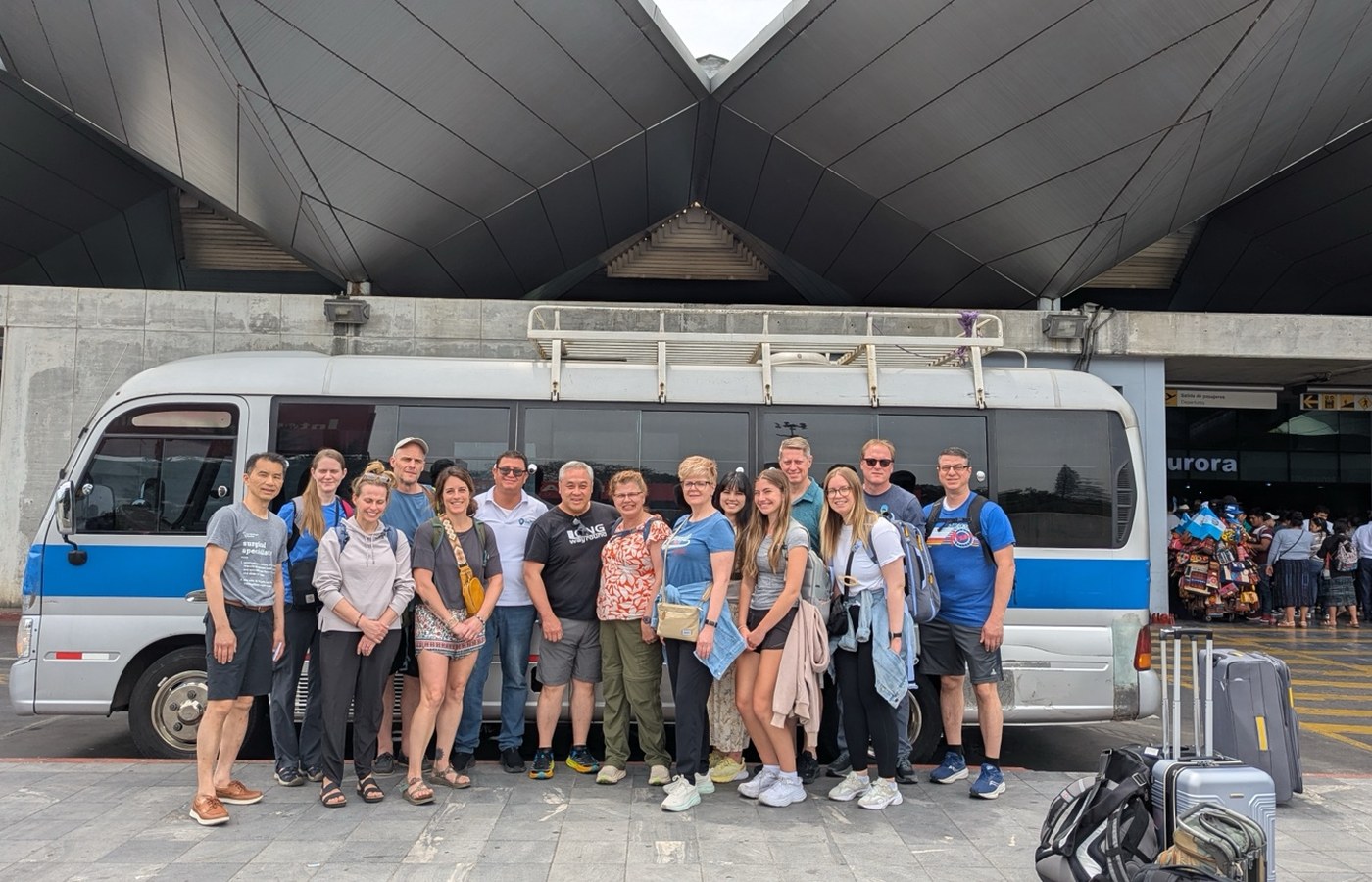
Each surgical visit begins well before the operating room. A qualified team prepares to travel, then works within the host hospital to offer care in the areas of general and vascular surgery. At the center of that work is a patient who needs skillful, attentive care.
Each year, hand-selected surgical teams from Appleton, Wisconsin travel to Antigua, Guatemala for one week of surgical service at Obras Sociales del Santo Hermano Pedro.
Team members are selected based on professional qualification, surgical or perioperative expertise, and a shared interest in humanitarian service. These teams include surgeons, anesthesiologists, surgical and anesthesia technicians, and perioperative nurses.
Clinical ability matters, and so does the way it is offered. We want to listen, adapt to the setting, and show respect for patients and the people already caring for them.
Crescendo teams are carefully assembled to match the needs of the work, the setting, and the patients being served.
Training rooted in local hospitals.
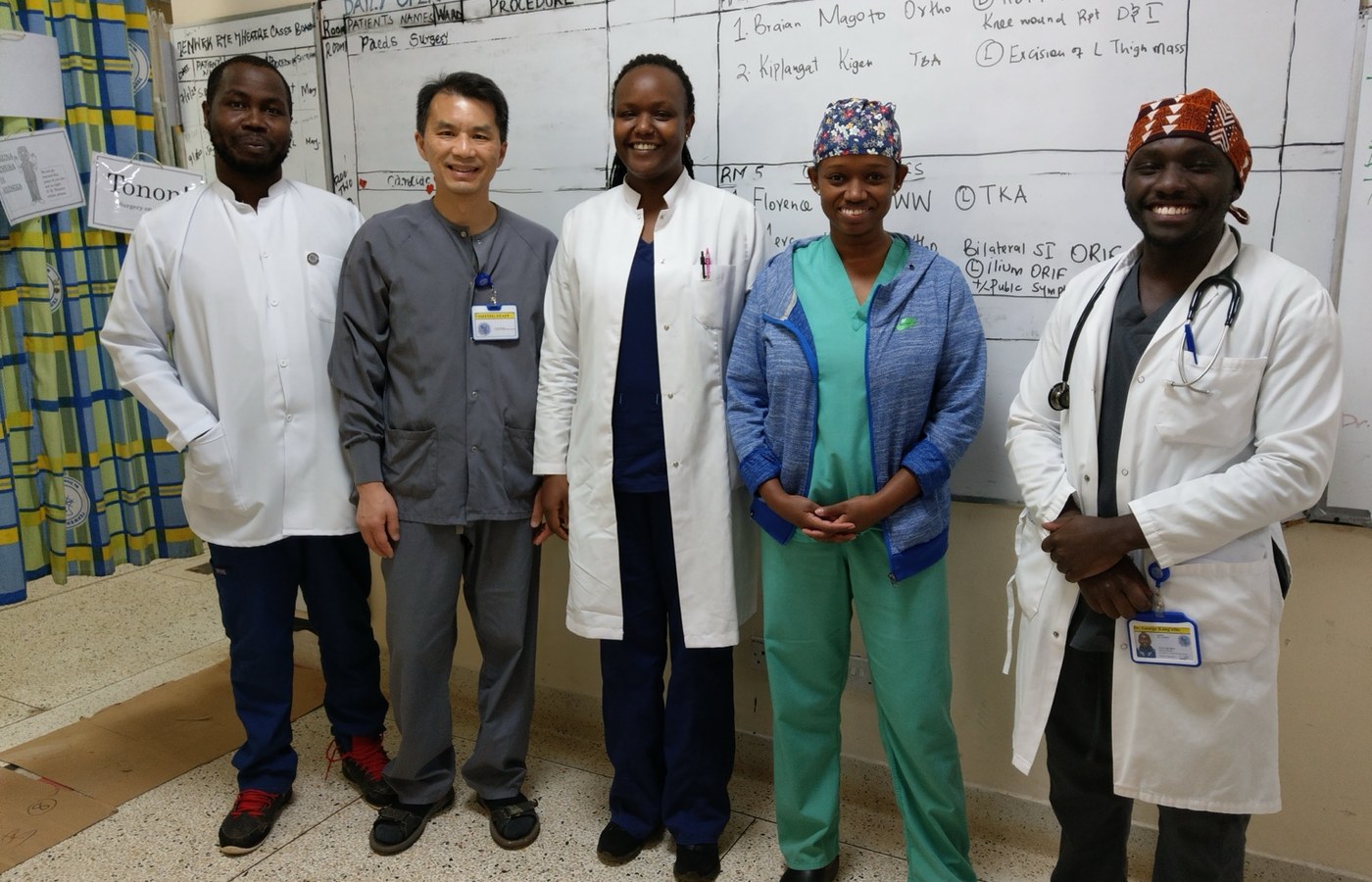
PAACS leads formal surgical residency programs in African mission hospitals. Crescendo Missions supports residents within that established work, recognizing that training takes time, mentorship, and daily clinical experience. It follows a different rhythm from a visiting surgical team.
Through our partnership with PAACS, we support surgical residents training at Bongolo, Tenwek, and Litein hospitals, and help strengthen local care for years to come.
This work focuses on practical surgical education, including laparoscopic and endoscopic skills. By supporting the training of local surgical residents in Gabon and Kenya, Crescendo helps strengthen surgical care in communities long after a visiting team has returned home.
As residents grow in judgment and skill, their learning can strengthen the care available in the communities they serve. Our role is to come alongside the people and programs making that training possible.
The practical work behind the work.
A team needs a way to reach a host hospital, a place to stay, and the materials required for surgery. These details are easy to overlook when the focus is on the operation, yet they help determine whether a visit can happen well.
Contributions help provide travel, lodging, supplies, and resources for surgeries. They help turn a willingness to serve into a workable visit and also support the longer path of resident training. That is how generosity becomes part of both the immediate care and the work still ahead.
How you can helpGuatemala · May 2026
From those who served.
Reflections from the Guatemala team.
Being part of the team was an honor. I cherish the experiences I had, and I hope the Guatemalan people were blessed in the same way I was blessed by them.
What made the trip rejuvenating wasn’t the absence of difficulty, but the presence of shared purpose. There was joy in using what we had been given for something beyond ourselves.
The mission trip challenged me, inspired me, and renewed my sense of purpose as a nurse. It reminded me why I chose this profession in the first place: to serve others, to offer compassion during vulnerable moments, and to make a meaningful difference in someone’s life.
Although our work in Guatemala was finished for the week, I came home reminded that the work at home is just beginning. We move forward as one community, leading with compassion and grace.
Join the work
Care begins with people who say yes.
Your support helps surgical teams travel, serve, and train the next generation of surgeons.
Support the Mission